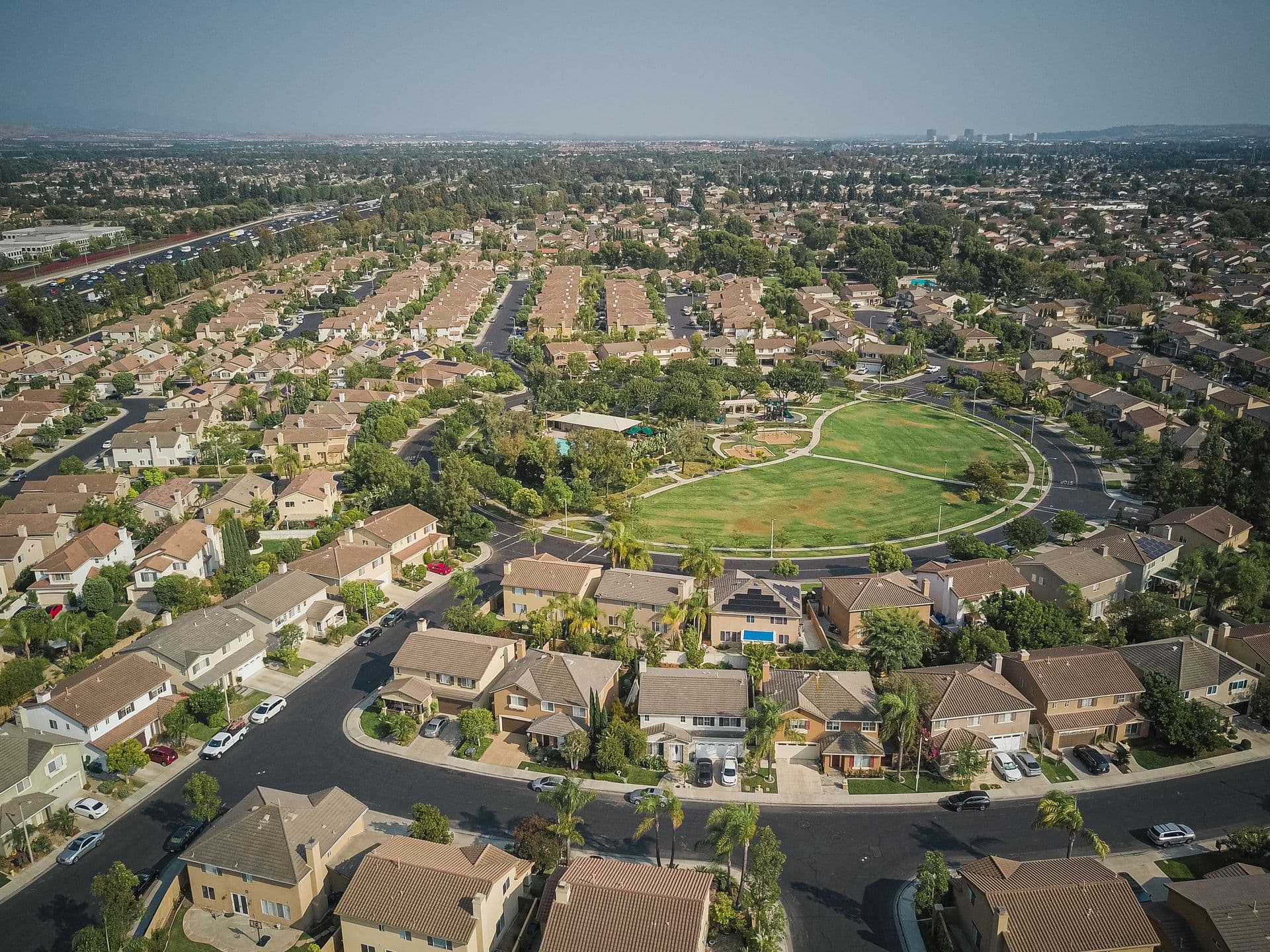
What a Rebalancing Housing Market Means for Buyers vs. Sellers in H2 2026
Prices are softening and inventory is rising — but sales are up too, and that combination isn't a crash, it's a market finally finding its footing.
Home prices just fell for the seventh month in a row. Inventory is climbing. And yet more homes are selling than a year ago, with first-time buyers making up more of those deals than they have in years. If that sounds contradictory, it's because most of us have been trained to read "prices down, inventory up" as one thing: a crash. In 2026, it's something else — a market working its way back to normal after five years of being anything but.
Is the housing market crashing in 2026?
No. A crash means falling prices paired with falling demand — buyers pulling back because they're scared or priced out entirely. That's not what the data shows. Sales are up 3.2% even as prices soften, which is the opposite of a demand collapse. What's happening instead is a rebalancing: after years of a brutal seller's market, supply is finally catching up with demand, and pricing power is shifting back toward the middle.
The National Association of Realtors' Market Action Index currently reads 34 — just above the neutral baseline of 30, and a long way down from the extreme seller's-market readings of the pandemic years. Days on market sit at 91, a pace that rewards patience and negotiation over the bidding-war urgency buyers got used to in 2021 and 2022.
The four numbers driving the 2026 housing market
It helps to look at these together, because none of them makes sense in isolation.
| Metric | 2026 figure | What it signals |
|---|---|---|
| Active listings | +1.8% YoY | More choice for buyers |
| New listings | +2.1% YoY | Sellers are re-entering the market, not fleeing it |
| Median list price | -2.4% YoY (7th straight monthly decline) | Pricing power shifting toward buyers |
| Existing-home sales | +3.2% | Demand is holding, even growing |
| First-time buyer share | ~35% of transactions | Affordability is genuinely improving at the margins |
Put plainly: there are more homes for sale, they're a little cheaper than last year, and more people are actually buying them — including a wave of first-time buyers who'd been priced out since 2022. That's not a market in trouble. That's a market that spent years too tight finally loosening up.
What this means if you're buying
You have room to negotiate again, and that's the biggest shift. With roughly a third of active listings carrying at least one price cut, "asking price" is increasingly a starting point rather than a floor. A 91-day median days-on-market means you're no longer required to waive inspections or decide in 24 hours to compete.
That said, don't wait for a bottom that isn't coming. NAR's own 2026 forecast projects home price growth of roughly 2–3% for the year — modest, in line with general inflation, not a discount waiting to get deeper. The better mortgage spreads economists are pointing to are doing real work here too: they're softening the effect of still-elevated rates, which is part of why sales are up even as affordability stays a real concern. If you've been sitting out the market waiting for it to "crash" further, the data suggests that's not the trade available right now — the trade available is better selection and more negotiating leverage than you've had in years.
What this means if you're selling
Pricing accurately matters more than it has in half a decade. Overpricing in a market where a third of listings already have a price cut just means your listing sits — and sitting listings, in a rebalancing market, tend to sell for less than they would have with a realistic price on day one. The sellers doing well right now are the ones pricing to the current comp set, not to what the house next door sold for eighteen months ago.
The upside: new listings are up 2.1%, which tells you sellers aren't panicking — they're participating. Rising sales volume (+3.2%) means qualified buyers, including a larger pool of first-time buyers, are actually transacting. A well-priced, well-presented listing in this market still moves. It just doesn't sell itself the way it did in 2021.
Why this is a communication problem as much as a market one
Here's the part that gets missed in most coverage of this data: the biggest risk in a rebalancing market isn't the numbers, it's the narrative. "More inventory" and "softening prices" sound like decline to anyone skimming headlines, even when sales and buyer participation are both climbing. Buyers who believe a crash is coming will wait on the sidelines for a discount that isn't materializing. Sellers who believe it will panic-price their homes below what the comps actually support.
That gap between what the data says and what people believe is exactly where a real estate brand earns trust — or loses it.
The firms winning attention in H2 2026 aren't the ones shouting "market crash" for clicks or "still a great time to buy!" as filler copy. They're the ones translating NAR and HousingWire data into a clear, calm read on what it actually means for the person in front of them.
That's the gap Dandora works in with real estate brands and developers. Growth in a rebalancing market doesn't come from louder marketing — it comes from being the source that reads the data straight and says so, consistently, across your listings, your content, and your sales conversations. Dandora builds that system: the brand storytelling, the content engine, and the growth strategy that turns "we understand this market" from a slogan into something buyers and sellers can actually feel in every touchpoint. If you're a real estate business trying to figure out how to talk about — and sell into — a market that's shifting under your feet, that's the conversation worth having next.